
Why We Exist
Success gets the spotlight; the struggles that build it are edited out.
The genesis of Reverse School happened to correct that imbalance. We are a knowledge-sharing platform that makes the “undo” moments; failed attempts, pivots, and restarts as discussable, learnable, and stigma-free conversations. We don’t glorify failure; we study it, because that’s where the most durable learning lives and where resilience is forged. Our objective is simple: help people prepare better for their next attempt by openly transferring lessons from what didn’t work to those who are trying now.
What We’ve Done
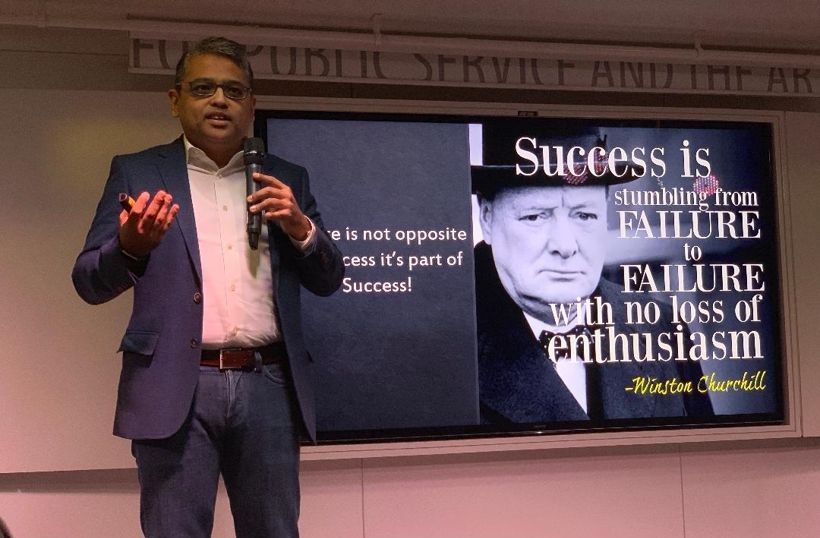
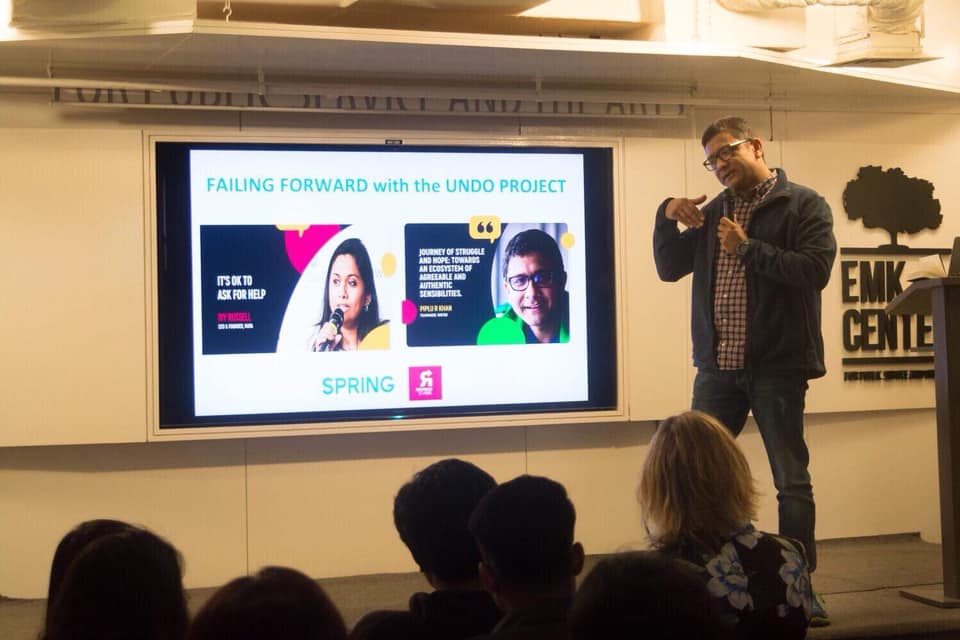
We’ve built a cross-platform library and conversation space where failure cases are documented, debated, and distilled into practical takeaways. Significant and impactful cases are published across our website and social channels. Our outreach blends static posts, hashtag campaigns, speaker-invite videos, and earned media/press to keep the discussion accessible and alive. Alongside the digital ecosystem, we run live learning formats that connect seasoned professionals with students and young founders, then re-share those learnings online for wider reach. Flagship formats include Fail Talks (short seminars/workshops), Fail Blog (web & social engagement), and Fail Cast (YouTube/podcast). Our simple, repeatable method: Explore → Record → Share → Engage anchors everything we do: we find strong failure stories, document them rigorously, communicate them across physical and digital mediums, and create spaces for ongoing dialogue. Reach to date: we have directly engaged 1000+ youth through seminars (EMK Center), and nurtured an online community of 100,000+ who review, analyze, and add perspectives to our featured cases.
What’s Next
We’re scaling in two directions:
Deeper, broader library. More local, real-world cases across business, social impact, corporate strategy, and policy—co-created with practitioners and students—so future builders can start with better maps, not myths. We will continue distributing stories as short, well-produced videos and posts that normalize learning from setbacks.
FUCE (Failure-to-Undo Conversion Engine). An AI-assisted tool that lets anyone submit an idea or venture context and receive: (a) a probability read on near-term success, and (b) pivot strategies to improve the odds—turning vulnerability into structured next steps.
As we grow, we’ll keep partnering with learning and community hubs and trusted media to reach students, young professionals, or in fact anyone who seeks the chance to embed “learning from failure” as a core life and leadership skill for the new age.
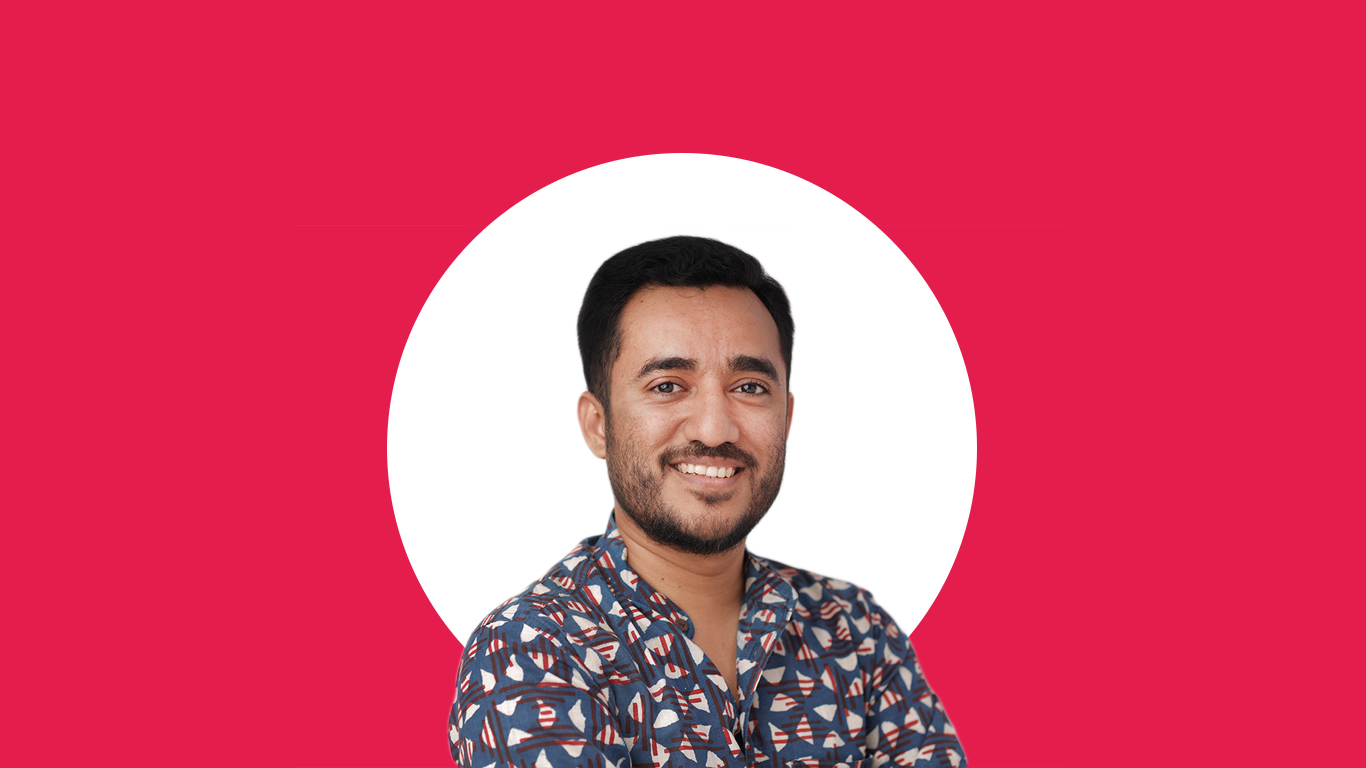
A strategic communications leader with 17+ years across fintech, telecom, and banking, Monsurul has built brands at national scale while working shoulder-to-shoulder with founders and cross-functional product teams. At Nagad, Bangladesh’s fastest-scaling MFS, he led brand and growth initiatives from launch, steering award-winning campaigns and large community narratives that reached tens of millions. Earlier chapters at Robi Axiata, Prime Bank, Mutual Trust Bank, and Bangladesh Brand Forum grounded him in consumer insight, research-led strategy, and executional discipline.
Working closely with accelerators and early-stage teams at Toru Institute, teaching entrepreneurship and innovation, and mentoring startups from idea to GTM, he repeatedly saw the same pattern: failure is normal in real creative work, but culturally taboo. That disconnect is the seed of Reverse School. Monsurul founded it to change how we talk about setbacks; treating them not as shameful endpoints but as raw material for better decisions, stronger resilience, and smarter second tries.
Today, as Principal of the School, Monsurul shapes Reverse School’s editorial lens and community formats: elevating honest case studies, convening voices from industry and startups, and translating “what went wrong” into practical playbooks for students, founders, and young professionals. His aim is simple and relentless—normalize the learning cycle behind every good outcome, so more people feel safe to try, reflect, and try again.