
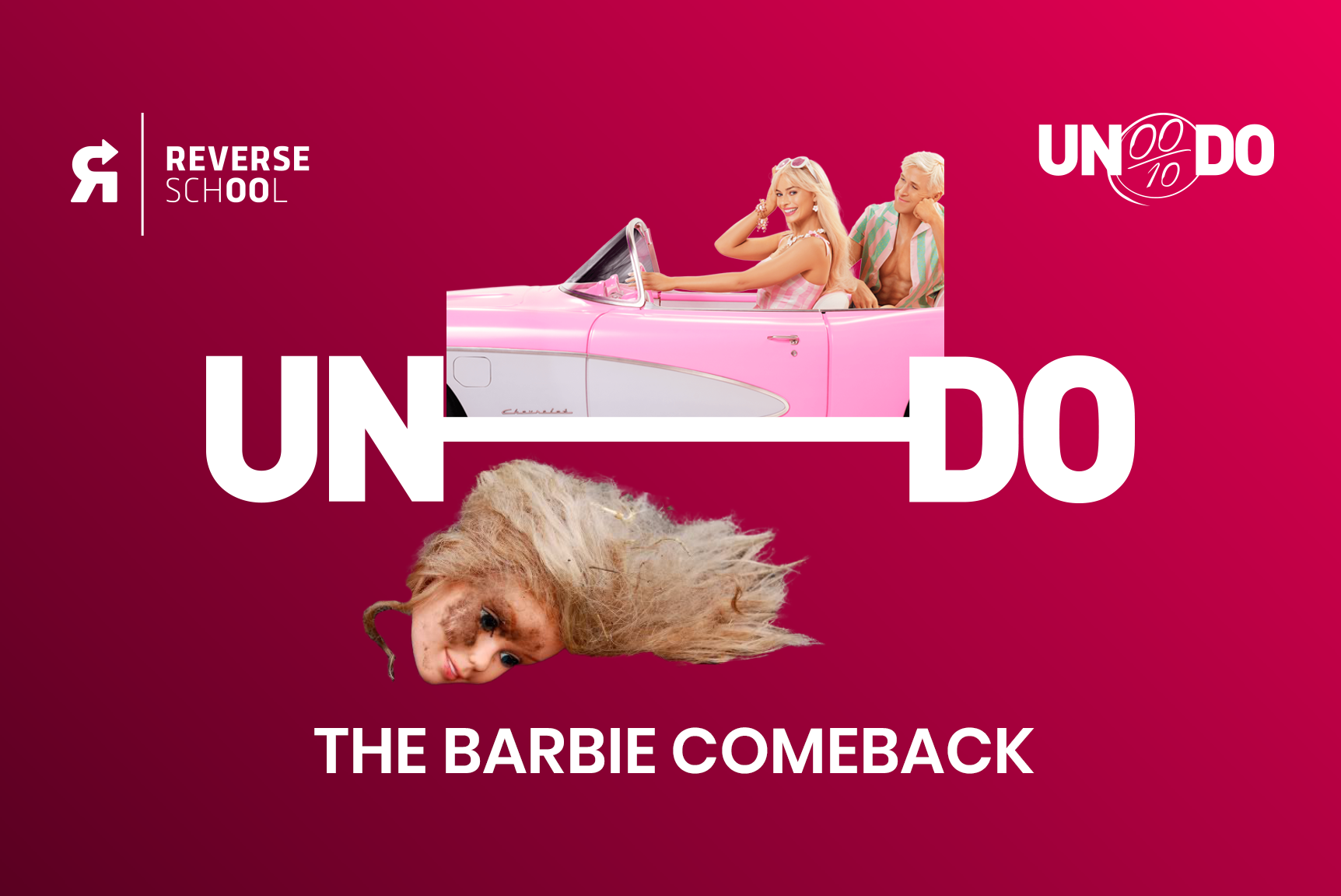

From being the “go-to-toy" after being introduced in 1959 by Mattel to being questioned to criticized, and then jumping out of nowhere to become one of the greatest modern-day toys again – Barbie has come a long way. However, it has not been easy. The current day attachment to barbie breaking all forms of social stigma is a processed change caused overtime with attention to socialisation.
The origin of the Barbie enterprise can be traced back to 1959, when Ruth Handler, the co-founder of Mattel, invented the doll after observing her daughter, Barbara, engaging with paper dolls. Handler was inspired by the paper dolls, which allowed Barbara to project her desires and ambitions onto them. She recognized an opportunity to create a three-dimensional doll that would enable girls to do the same. Handler christened the doll Barbie after her daughter, and she was first presented to the toy industry at the New York Toy Fair in 1959. The doll experienced immediate triumph, and it swiftly became one of the most sought-after toys globally. Throughout the years, Barbie has transformed to mirror the evolving times. Initially, she was marketed as a homemaker and mother. Nonetheless, as women's roles in society shifted, Barbie's portrayal changed accordingly. Presently, Barbie is a prosperous entrepreneur, physician, astronaut, and more.
Barbie, the famous style doll presented by Mattel in 1959, has undergone an impressive resurgence in recent times. Being one of the most well-known and long-lasting playthings in history, Barbie encountered major difficulties in the past due to evolving views on physical appearance and variety. Nevertheless, Mattel has addressed these worries and undergone a substantial change to guarantee Barbie stays pertinent and diverse.
However, with falling sales and backlash on fixated, unrealistic beauty standards, Barbie took a 360 turn when inclusivity was an aspect integrated. Because now, Barbies came in all shapes and sizes, Ken dolls even had vitiligo, Barbie and friends even came on wheelchairs – isn't that beautiful? The sense of internalizing differences truly paved the way for further emotional attachment. Furthermore, it is important to note how Matell incorporated the digital arena for an immersive play experience.
The brand internalized change with a clear vision, the realization of not giving up, resilience and digital transformation with the world to maintain relevance. And look at the brand itself today, someone who has not heard of or known Barbie is extremely hard to find. The true example of Barbie’s strategy is the promotion of the recent movie.
A brand is a fragment of continual existence. What matters is, how well retrieval and recall are eased for customers.