
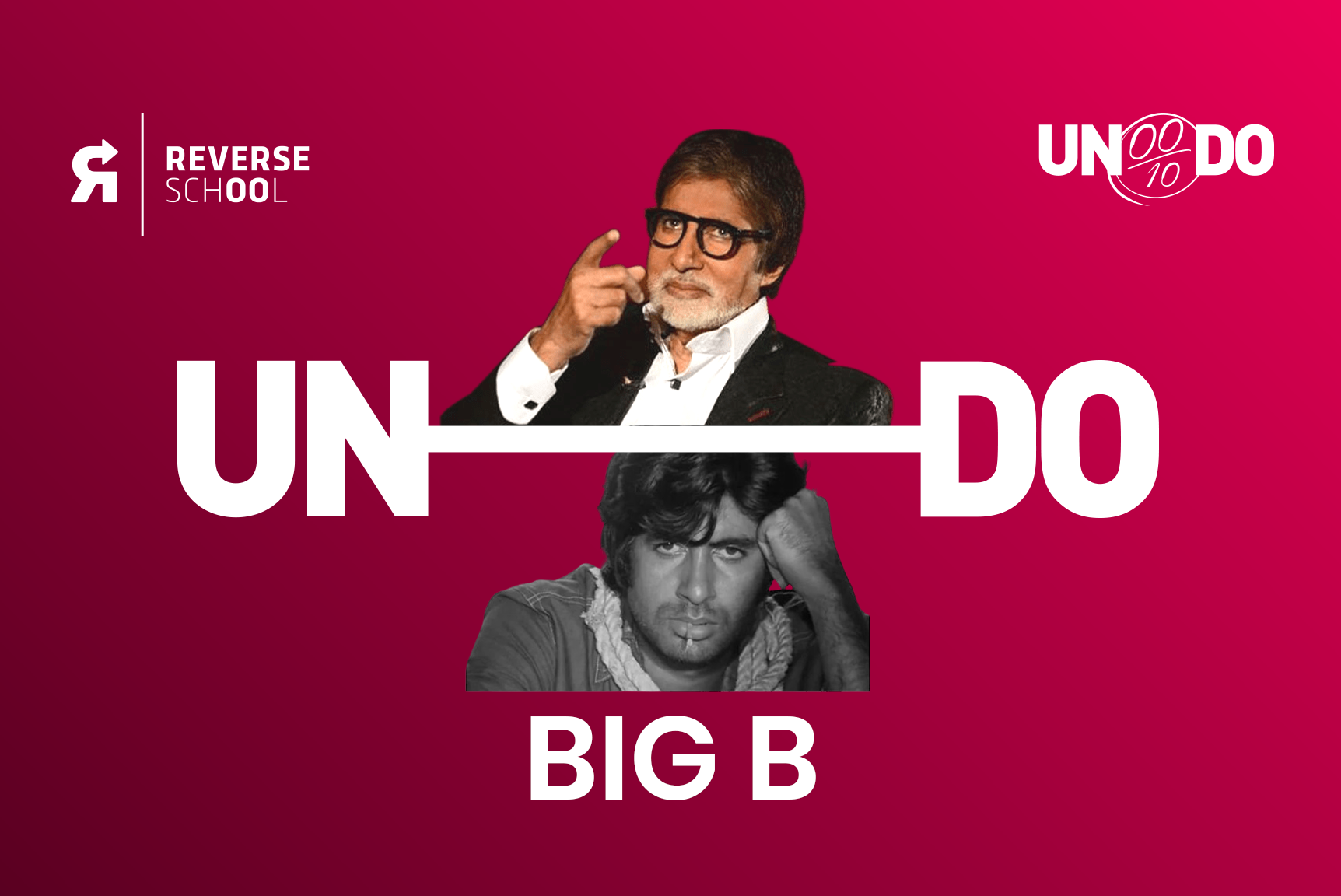

His rise began with the 1970s “angry young man” era, when films like Zanjeer, Deewar, and Sholay recast the Hindi hero as gritty, modern, and unforgettable. A cultural fixture followed, with voice, presence, and box-office pull shaping mainstream cinema for decades.
Then came the slide. The 1990s brought a run of flops and the collapse of Amitabh Bachchan Corporation Ltd., leaving him with roughly ₹90 crore in debt and public doubt. Grand bets like the Miss World ’96 venture misfired, creditors circled, and the aura of invincibility cracked. The brand looked overextended, unfocused, and out of step with a changing market.
Reinvention arrived through restraint and a new role on screen. He pivoted to character-led parts that embraced age and authority, while rebuilding trust through consistent performances in films like Mohabbatein. Off-screen, he professionalized finances and partnerships, choosing fewer, stronger projects and endorsements that fit the new positioning.
The channel shift sealed the turnaround. Hosting Kaun Banega Crorepati in 2000 brought him into living rooms nightly, added reliability to charisma, and created a flywheel where cinema, television, and brand deals reinforced one another. The persona evolved from solo star to institutional voice.
The takeaway is simple. Relevance returned not through nostalgia, but through reframing and discipline. Big B endures because the system changed: clearer focus, better fit roles, smarter channels, and a story the audience could trust again.